
10 Subtle Signs Your Aging Parent May Need More Support (Before It’s Urgent)

💛 When Something Just Feels… Off
You don’t always notice one “big” thing. More often, it’s a series of small moments that don’t add up— until they do.
THAT’S a moment many adult children experience.
You’re visiting your parent, talking on the phone, or stopping by their home… and something doesn’t feel quite right.
- You can’t always explain it.
- Nothing seems dramatically wrong.
- But deep down, you feel it.
That quiet awareness matters.
Sometimes, the first sign your aging parent may need help isn’t something obvious. Sometimes, it’s a subtle shift in energy.
- Your parents seem less like themselves.
- Conversations feel slightly off, harder to follow, or fragmented.
- You leave visits feeling uneasy, even if you can’t explain why.
You’re not alone. That uneasy feeling is incredibly common – especially when a parent insists they’re “fine.” But it’s also one of the most important early signals you can listen to, because recognizing the signs your aging parent needs help early allows you to take action before a crisis.
At For My Parents Care, I help families recognize what’s changing, understand what it means, and take the next step with clarity and compassion. I’ve been where you are – I’ve felt that persistent sense that something wasn’t quite right, even when I couldn’t fully explain why.
This blog is your calm, steady guide to early signs your aging parent may need more support, and what to do next.
🫶 Emotional Reality: Trusting What You’re Noticing
This is the stage where many adult children second-guess themselves. You may wonder if you’re overacting, being controlling, or imagining things.But often, your concern is your mind recognizing changes before your heart and logic have caught up.
Trust that signal.

🧠 1. Subtle Memory Changes In Aging Parents
We all forget things from time to time. But small shifts in memory can be early indicators of cognitive decline in aging parents. Occasional forgetfulness is normal, but changes in memory—such as repeating questions, misplacing items more frequently, or forgetting familiar routines—may signal something more. What matters most is the frequency, impact, and pattern of these changes over time, as consistent memory issues can be early warning signs of conditions like mild cognitive impairment or dementia.
Subtle signs include:
- Repeating the same story or question
- Missing appointments
- Misplacing important items (keys, wallet, phone)
- Confusion with technology
- Difficulty following conversations
These may seem minor — but they are often early signs your aging parent needs help.
🫶 Emotional reality:
A parent may hide memory lapses with humor or frustration. You may feel torn between respecting their independence and worrying about their safety.The goal isn’t to diagnose – it’s to notice patterns early.

🏠 2. Changes in the Home Environment That Signal an Aging Parent Needs Help
A person’s home often reflects what they’re managing internally. As aging parents begin to face changes in memory, mobility, or overall health, their living environment can quietly reveal those challenges. Changes in the home environment of seniors—such as clutter, unopened mail, missed housekeeping, or neglected maintenance—may be early signs that daily tasks are becoming harder to manage.
When everyday responsibilities feel more demanding, they often show up in the space around them. What was once organized and well-kept may begin to shift, signaling that additional support may be needed with Activities of Daily Living (ADLs), aging-in-place care, or looking for alternative housing.
Watch for:
- Clutter building up
- Unopened mail
- Expired or spoiled food
- Burn marks in the kitchen
- Laundry piling up
These are often signs that an aging parent may need support with everyday tasks and routines.
🫶 Emotional reality:
This can be heartbreaking to witness, especially if your parent once took pride in their home.A changing home usually reflects overwhelm – not a lack of effort.

💊 3. Medication Management Problem in Seniors
Medication issues are one of the most serious early warning signs. Managing medication safely is paramount in elder care.
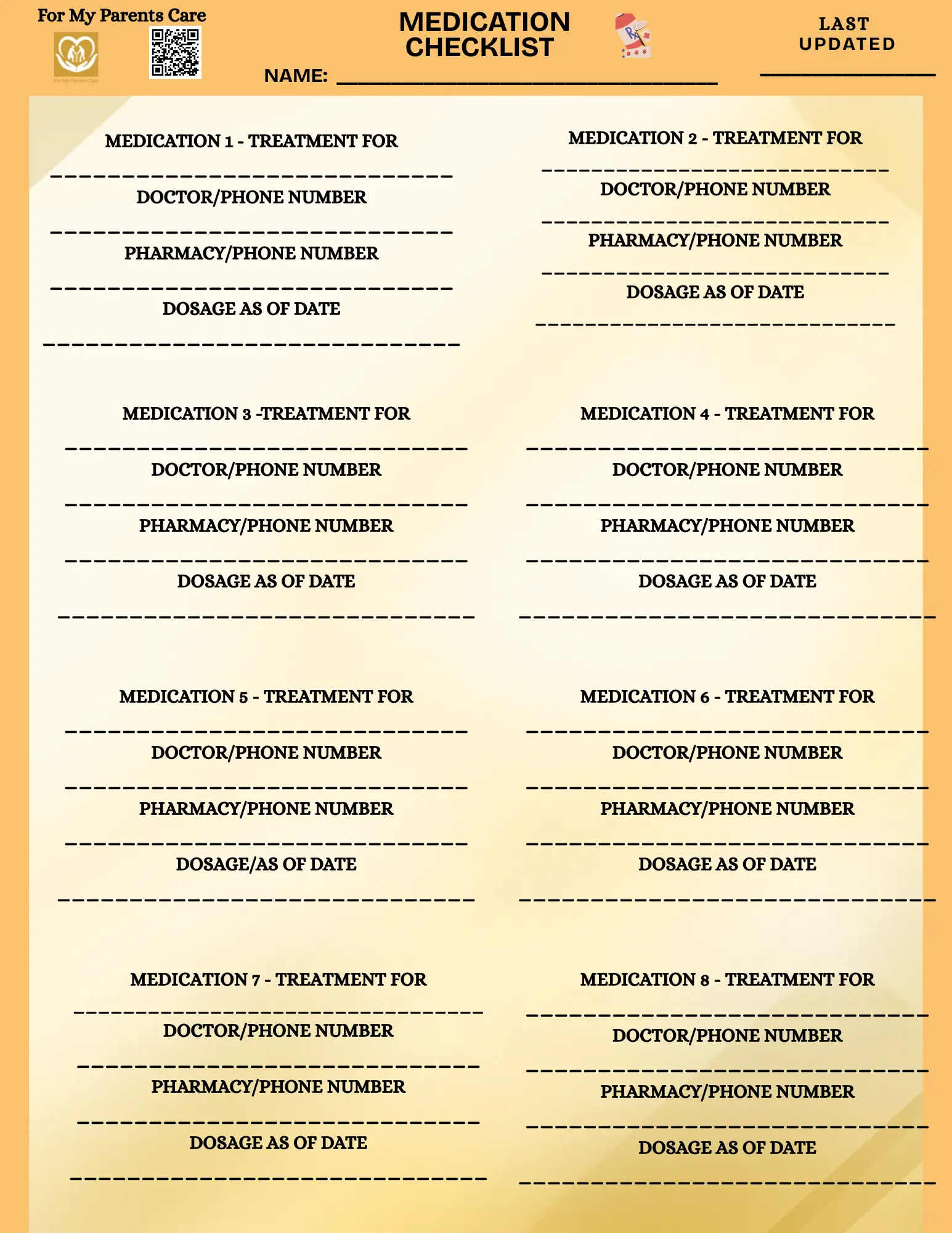
Even small errors can lead to falls, confusion, or hospitalization.
Look for:
- Missed or incorrect doses
- Confusion about medications
- Duplicate or expired prescriptions
- Disorganization
🫶 Emotional reality:
This is where concern often turns into urgency.If medication routines feel inconsistent, it’s a clear sign that more support is needed now, not later.

🚗 4. Senior Driving Safety Concerns
Driving is deeply connected to independence — but it can become a safety risk to your loved one and anyone on the road.
Subtle signs include:
- Getting lost
- New dents or scrapes
- Anxiety while driving
- Avoiding certain routes
- Near misses or tickets
🫶 Emotional reality:
Driving conversations are delicate and require patience, empathy, and respect. Moving too quickly can create resistance – but waiting too long increases risk.The goal is safety and dignity.

💛 5. Emotional Changes in Aging Parents
Emotional and behavioral changes in aging parents can be early signs of deeper concerns.
Shifts such as increased irritability, withdrawal from social activities, anxiety, depression, or sudden mood changes may indicate underlying issues related to cognitive decline, mental health in seniors, or early dementia symptoms. These changes are often subtle at first but can impact daily functioning and overall well-being. Emotional and behavioral changes can be early signs of deeper concerns.
Watch for:
- Irritability
- Anxiety
- Withdrawal
- Loss of interest
🫶 Emotional reality:
This is often where adult children feel like they’re “losing” their parent in small ways.
Recognizing changes in mood and behavior early allows families to provide the right support and seek appropriate care before challenges become more significant.

👕 6. Personal Hygiene Changes in Seniors
This is a sensitive but important sign. Changes in hygiene don’t always mean inability – they often mean tasks have become more difficult or exhausting.
These are often early signs that your aging parent may need more support with ADLs, Activities of Daily Living.
Signs may include:
- Wearing the same clothes repeatedly
- Noticeable body odor or unwashed hair
- Neglect or decline in grooming (nails, shaving, dental care)
- Stains on clothing, or clothes inappropriate for the weather
🫶 Emotional reality:
Approaching this with compassion helps preserve dignity and trust.

📉 7. Financial Changes and Risks in Aging Parents
Financial issues can signal cognitive decline. These issues can be subtle – but can be extremely serious.
Watch for:
- Late bills or unopened statements
- Confusion about money
- Unusual spending
- New “friends” or callers influencing decisions
- Increased secrecy about finances
This is an imperative stage where someone may need to seek legal and financial assistance to explore Powers of Attorney for finances. Adult children can manage bank accounts, credit cards, and investments to help avoid catastrophic financial loss.
These are often signs an aging parent needs help managing finances safely.
🫶 Emotional reality:
Financial concerns can escalate quickly. Financial mistakes can spiral quickly and are hard to reverse. Early intervention protects long-term stability.You don’t have to control everything, but you do need to reduce risk and add safeguards.

🍽️ 8. Changes in Eating Habits in Seniors
Nutrition plays a vital role in overall health, especially for aging adults. Changes in eating habits in seniors—such as loss of appetite, forgetting to eat, relying on processed foods, or sudden weight loss or gain—can signal deeper concerns. These shifts may be linked to cognitive changes, depression, medication side effects, or difficulty with meal preparation and grocery shopping.
Often, the signs are subtle—a favorite meal goes untouched, the refrigerator is empty or filled with expired food, or cooking routines quietly stop. Over time, poor nutrition can lead to low energy, weakened immunity, increased fall risk, and overall decline.
Recognizing these changes early allows families to step in with supportive solutions—helping ensure their loved one stays nourished, safe, and well.
Be on the lookout for:
- Weight loss
- Empty fridge
- Skipped meals
- Reliance on convenience foods
🫶 Emotional reality:
Many adult children feel guilt here but these changes are common and manageable with support.And when changes like these begin to affect safety or daily well-being, it may be time to take a closer look at what support is needed next.

🚨 9. When Safety Concerns Signal It’s Time to Act
Even small physical changes can increase risk!
If you’re noticing multiple signs—or repeated patterns—in your aging parent’s behavior, health, or daily routines, it may be time to take the next step. Changes such as memory loss, shifts in eating habits, financial confusion, or difficulty maintaining the home can be early indicators that additional support is needed. Recognizing these warning signs early allows families to act proactively rather than waiting for a crisis.
Taking that next step doesn’t mean overreacting—it means protecting your loved one’s safety, well-being, and quality of life. Early intervention can help prevent emergencies, reduce stress, and ensure the right care and resources are put in place at the right time.
These may include:
- Fall risks
- Unsteadiness
- Memory decline
- Home safety issues
These are clear signs your aging parent needs more support now.
🫶 Emotional reality:
Subtle safety concerns in seniors can quickly become serious if left unaddressed.Taking action early protects both safety and independence.

🧭 10. Trust Your Intuition About Your Aging Parent
This is the most important sign of all.
If something feels off with your aging parent—if you’re questioning their safety, well-being, or ability to manage daily life—trust that instinct. That inner awareness is often one of the earliest signs that additional support may be needed, even before clear symptoms appear.
You may notice subtle shifts in behavior, memory, or routine—small changes that are hard to explain but difficult to ignore. Trusting your intuition is not overreacting; it’s a key part of proactive elder care and protecting your loved one’s safety and quality of life.
You know them better than anyone—and that awareness matters.
And when that feeling begins to grow, it’s important to remember—you don’t have to figure this out alone. 💛
👉 What to Do Next When You Notice Changes in Aging Parents And How to Get Trusted Support
If you’re beginning to notice changes in your aging parent—or even just feeling unsure about what may be happening—you are not alone in this.
Start with small, thoughtful steps:
- Begin gentle conversations
- Ask questions
- Offer support, not control
- Observe patterns
- Involve trusted professionals when needed
If you’re starting to notice subtle changes but aren’t quite sure what they mean, download 👉 my Elder Care Symptoms Checklist to track early signs your aging parent may need help and feel more confident in your next steps.
Recognizing these signs doesn’t mean panic – it means awareness.
So many families are quietly asking the same question:
“Do we need more help?”
If you’re thinking, “I need someone to help me sort through what I’m seeing,” that’s exactly what I do at For My Parents Care. You don’t have to wait for a crisis to get support. You can take the next step with confidence now.
At For My Parents Care, families reach out when they’re in the moment before action, when they want clarity, not chaos. If you’re noticing signs that your aging parent may need more support, you don’t have to navigate this alone. I provide personalized guidance to help families understand their options, explore senior care resources, and make confident decisions about next steps. Whether you’re just starting to ask questions or facing more urgent concerns, I’m here to help you find the right support for your loved one’s safety, well-being, and quality of life.
I’m here to guide you through those next steps with clarity, compassion, and confidence.
Together, we can find the right resources – at the right time – for your family.
Taking action early allows you to protect safety, preserve independence, and avoid crisis-driven decisions.

Always, to my BELOVED PARENTS,
Everyday
I think of you
I miss you
I Love You💝
Disclaimer: The information provided in this blog is for educational and informational purposes only and is not intended as a substitute for professional advice of any kind, including legal, medical, financial, mental health, or other licensed services. Every individual and family situation is unique. Always seek the guidance of qualified professionals such as physicians, pharmacists, attorneys, financial advisors, therapists, or other licensed providers regarding any specific questions or decisions related to your health, care planning, legal matters, or finances.
For My Parents Care provides compassionate guidance, educational resources, and connections to trusted professionals, but does not offer legal, medical, financial, or clinical services directly. The author and website disclaim any liability for actions taken based on the information provided here.